
24 Jan, 2026
2 min read
Libyan Army Chief Dies in Plane Crash Near Ankara After Official Visit
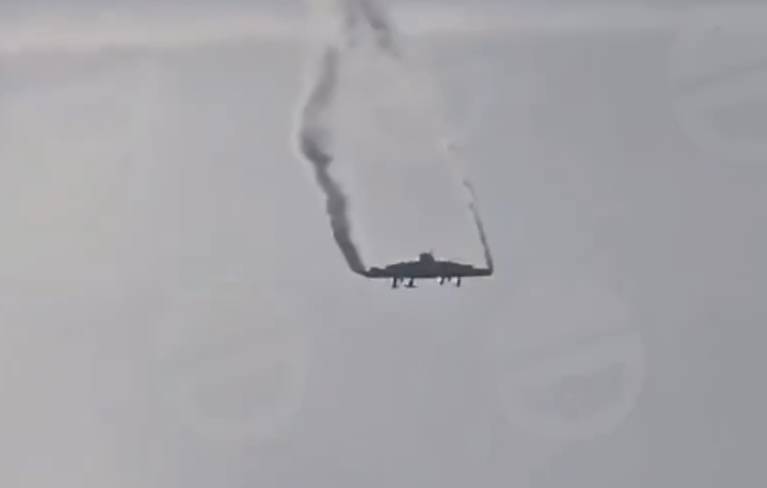
ANKARA — Libya’s Chief of Army Staff, Mohammed Ali Ahmed Al-Haddad, died in a plane crash on Tuesday shortly after departing from Ankara, Turkey, according to Libya’s prime minister from the internationally recognized government. The prime minister confirmed four additional individuals were on board the jet.
In an official statement, Prime Minister Abdulhamid Dbeibah described the incident as a "tragic and painful loss" for the nation, the military institution, and the Libyan people. Besides Al-Haddad, those aboard included the commander of Libya’s ground forces, the director of the military manufacturing authority, a senior adviser to the chief of staff, and a photographer from the chief of staff’s office.
Turkish Interior Minister Ali Yerlikaya provided details on social media, noting the aircraft took off from Ankara's Esenboga Airport at 17:10 GMT bound for Tripoli. Contact with the plane was lost at 17:52 GMT. The wreckage was later discovered near Kesikkavak village in Ankara's Haymana district.
Yerlikaya stated the Dassault Falcon 50 jet had requested an emergency landing over Haymana but failed to establish further communication. The crash's cause remains under investigation.
Turkey’s Defence Ministry had previously announced Al-Haddad’s visit, which included meetings with Turkish Defence Minister Yasar Guler, his Turkish military counterpart Selcuk Bayraktaroglu, and other officials.
The tragedy transpired one day after the Turkish parliament extended the deployment of Turkish troops in Libya for an additional two years. Turkey, a NATO member, has provided military and political support to Libya’s Tripoli-based government, deploying personnel in 2020 to assist in training and operations.
Turkey and Libya have also engaged in controversial agreements on maritime boundaries and energy exploration, both opposed by Egypt and Greece. Recently, Turkey has shifted its approach, escalating engagement with Libya’s eastern faction under its "One Libya" policy.
Recommended For You

Israel Seeks to Strengthen Economic and Innovation Ties with Cebu
Jan 24, 2026
Isabella Garcia
Comelec Sets Deadline for Government Contractors to Explain Campaign Donations in 2022 Polls
Jan 24, 2026
Miguel Tan

Samantha Lo and Jannica Rubin Announce Engagement After Nine Years Together
Jan 24, 2026
Angelica Bautista

NBA Investigates Multiple Teams Amid Illegal Gambling Probe Including Los Angeles Lakers
Jan 24, 2026
Gabriel Mendoza