
24 Jan, 2026
2 min read
Long-Term Coal Contracts Impede Asia’s Shift to Renewable Energy
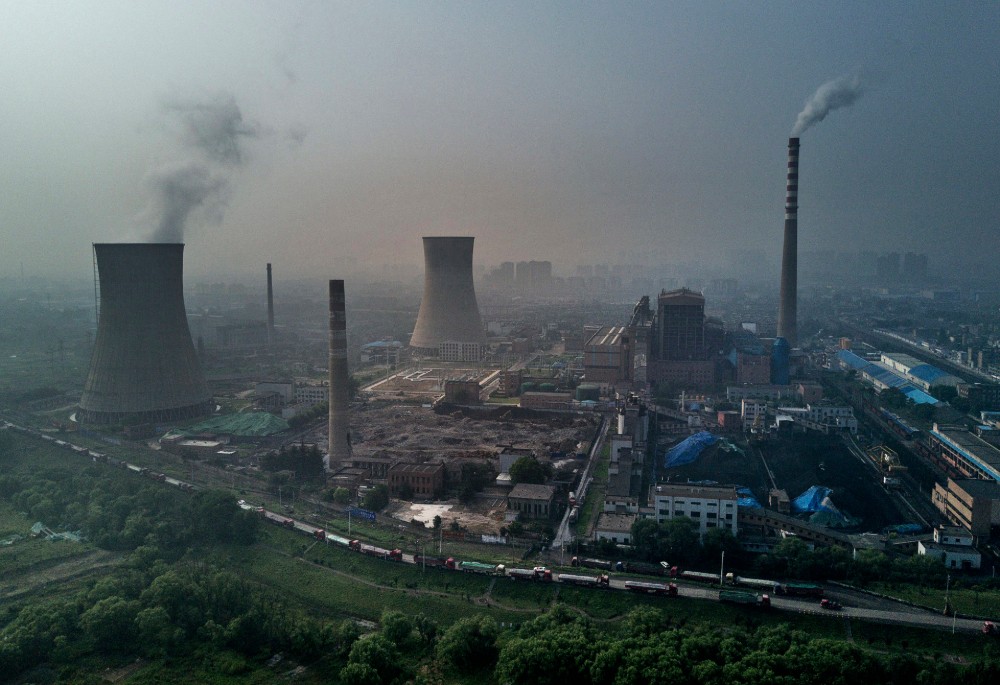
BELEM, Brazil — Prolonged coal-fired power purchase agreements are significantly delaying Asia’s progress toward renewable energy adoption, according to climate experts and renewable advocates. These contracts compel utilities in countries such as Indonesia and Vietnam to continue relying on coal, even when alternative sources like wind and solar are available.
Data from the Powering Past Coal Alliance (PPCA), a coalition dedicated to phasing out coal, shows that between 50% to 100% of Southeast Asia's coal power capacity is locked into contracts averaging nine to eighteen years. This contractual rigidity stifles the region’s ability to accelerate renewable energy integration.
The problem extends beyond Southeast Asia; major economies including China and India also maintain substantial long-term coal power agreements, often leading to underutilized renewable resources. Julia Skorupska, head of PPCA’s secretariat, noted, "Many of these contracts are often ill-suited to the demands of a modern, renewables-integrated grid."
Despite global trends, Southeast Asia’s coal reliance has grown from 35% to 45% of annual power generation over the past decade, while their clean energy adoption lags at 26% compared to the global average of 41%, according to analysis by the energy think tank Ember.
Coal contracts provide guaranteed revenue streams for power plant operators and job security for workers, making early contract termination politically and economically challenging. Additionally, breaking these agreements can incur significant financial penalties.
In China, coal power output increased by 7.3% in October despite a broader decline in carbon emissions driven by cleaner energy. Lauri Myllyvirta, lead analyst at the Centre for Research on Energy and Clean Air, expressed concern: "We are witnessing a repeat of previous years where excess coal contracts resulted in solar and wind power curtailment."
Similarly, in India and across the Asia-Pacific, renewable energy is increasingly being constrained because of entrenched coal commitments. Projections estimate China’s solar curtailment will affect over 5% in many provinces for the next decade.
India continues to sign new long-term contracts with coal plants, even as it expands clean energy capacity. A joint report from Ember and Climate Trends highlights the financial risks tied to fixed payments for coal power amid growing renewable output.
Shreya Jai, energy lead at Climate Trends, emphasized the need for change: "Distribution companies must revamp their resource planning and introduce flexibility into power purchase contracts to accommodate renewable growth."
The persistence of inflexible coal agreements poses a serious obstacle to Asia’s energy transition and global climate goals.
Recommended For You

Cignal Edges Out Creamline in Thrilling Five-Set PVL Reinforced Conference Clash
Jan 24, 2026
Sofia Lim

Audit Reveals Unbuilt Farm-to-Market Roads in Davao Occidental Valued at P100 Million
Jan 24, 2026
Isabella Garcia

Dar Global Partners with Trump Organization on Maldives Luxury Hotel Ahead of Saudi-U.S. Summit
Jan 24, 2026
Christine Reyes

3rd Infantry Division Sustains Humanitarian Aid in Cebu Following Typhoon Tino
Jan 24, 2026
Carlos David