
24 Jan, 2026
2 min read
Monopoly in Camotes Ferry Services Drives Up Costs for Residents
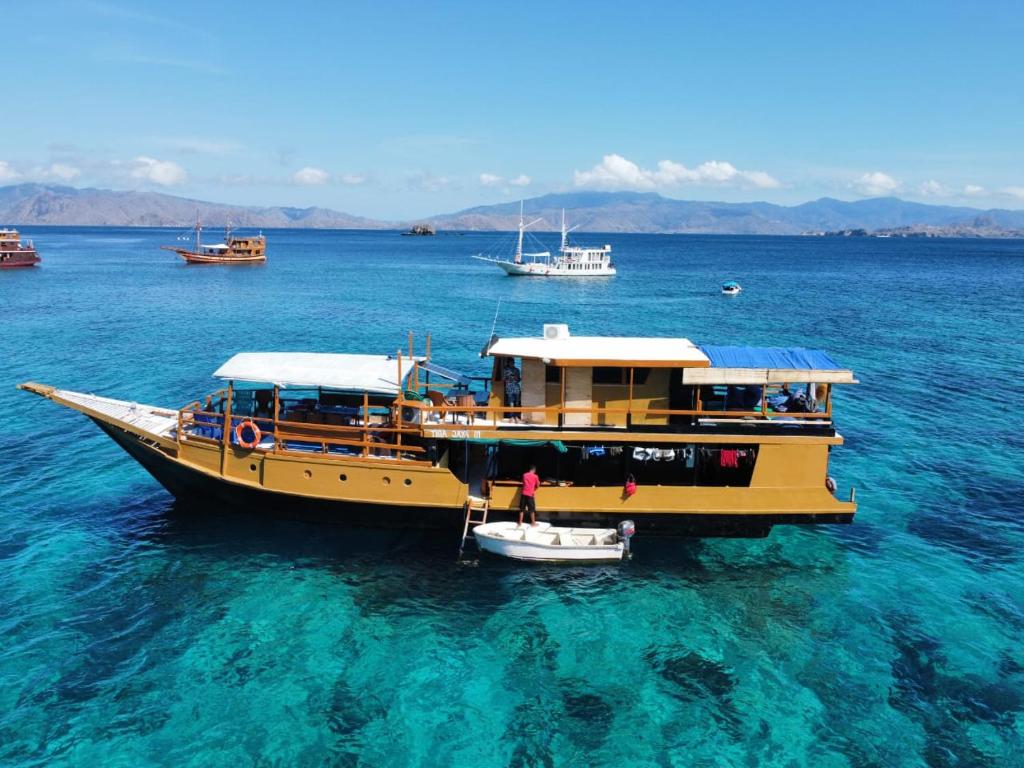
For many years, the picturesque islands of Camotes, often referred to as the "Lost Horizon of the South," have been celebrated as a tranquil paradise inhabited by warm-hearted communities. However, beneath this serene facade lies a pressing challenge faced by the islanders: the costly and restrictive ferry services connecting them to the mainland. Far from facilitating opportunity and growth, these transportation links have become burdensome for ordinary Camotes residents.
The ferry routes operating between Liloan Port and Poro, Danao City; Mactan and Consuelo, San Francisco; as well as the newly established Ormoc City to Pilar and Hagutapay, Tudela line, have largely transformed into tools of economic gatekeeping rather than public service. While the opening of multiple ports might suggest advancement, the reality is that only shipping companies and business owners truly benefit; passengers are often overlooked and burdened.
With no competition to regulate prices, operators freely impose high fares irrespective of the short distances involved. Comparatively, fare rates nearly match those of much longer routes like Cebu-Ormoc or Cebu-Bohol, leaving Camotes residents with little to no affordable alternatives.
This monopolistic setup raises serious concerns about the role of local government units (LGUs) across the island’s four municipalities — San Francisco, Poro, Tudela, and Pilar. There are suspicions that potential competitors are deliberately obstructed from entering these routes, possibly through delays in permit approvals or undisclosed agreements. If true, such practices undermine fair competition and public interest, implicating officials who should ideally protect community welfare but may instead be complicit in perpetuating high transportation costs.
The economic consequences of this scenario are profound. Elevated ferry charges hinder trade, tourism, and local livelihoods. Farmers, fishermen, livestock raisers, and small-scale entrepreneurs must pay steep fees to transport their goods, while students and workers commuting to the mainland suffer from expensive travel burdens.
This silent exploitation remains concealed under the guise of "limited services," yet it continues to restrict the growth and prosperity of Camotes Island’s people.
Recommended For You

Comelec Sets Deadline for Government Contractors to Explain Campaign Donations in 2022 Polls
Jan 24, 2026
Miguel Tan

Cignal Edges Out Creamline in Thrilling Five-Set PVL Reinforced Conference Clash
Jan 24, 2026
Sofia Lim
Fire Destroys 30 Houses in Lapu-Lapu City’s Barangay Buaya
Jan 24, 2026
Katrina Mercado

Paul McCartney and Leading Artists Release Silent Track in Protest Against UK Copyright Reforms
Jan 24, 2026
Miguel Tan