
24 Jan, 2026
4 min read
Federal Reserve Faces Divisions Ahead of December Interest Rate Decision Amid Economic Data Gaps
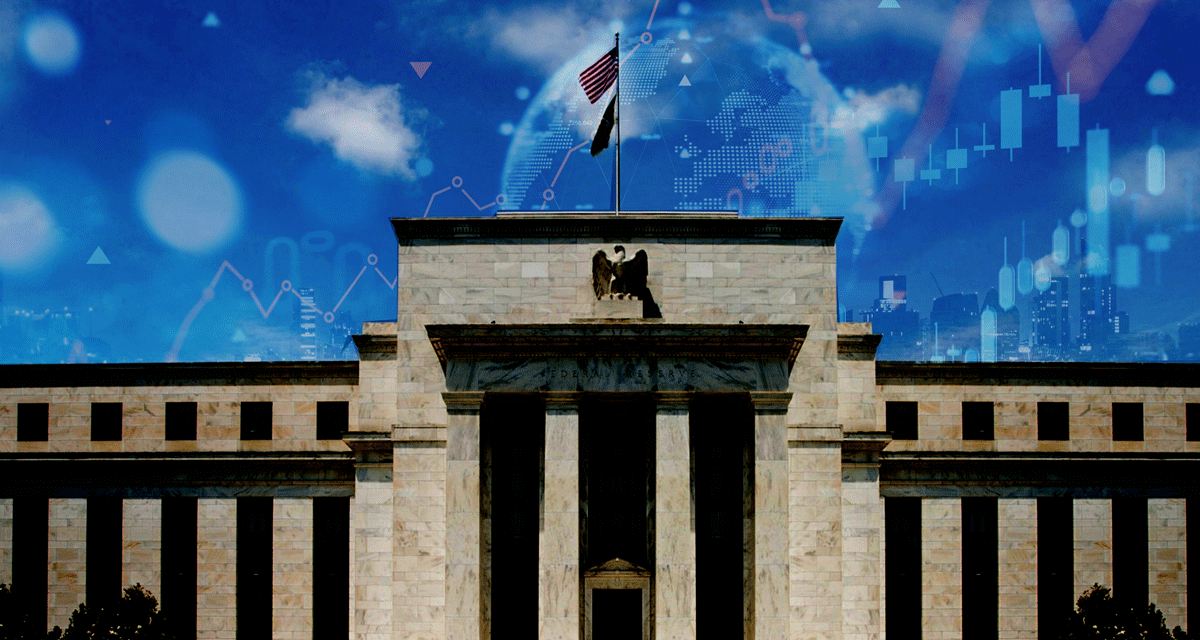
The U.S. Federal Reserve is navigating internal divisions and incomplete economic information as it prepares for its December policy meeting, set just over three weeks away. Following a government shutdown that delayed key reports, including employment, inflation, retail sales, and economic growth, policymakers are eager for clearer data to guide their interest rate decisions.
The Bureau of Labor Statistics plans to release the postponed September jobs report on Thursday; however, the White House has indicated that some October statistics may remain unreleased, and November figures could also be disrupted due to the government’s temporary closure.
The divide within the Federal Reserve centers on whether inflationary pressures remain sufficiently elevated to warrant delaying any rate reductions, or if easing monetary policy is justified amid signs of slowing labor market growth. Fed Governor Christopher Waller emphasized on Monday that inflation acceleration or rising inflation expectations are not causes for concern. "My focus is on the labor market, and after months of weakening, it is unlikely that the September jobs report later this week or any other data in the next few weeks would change my view that another cut is in order," Waller stated regarding the December 9-10 meeting.
Conversely, Fed Vice Chair Philip Jefferson advocates for a more cautious approach, noting that the current benchmark federal funds rate—held between 3.75% and 4.00%—may be reaching a threshold that no longer hampers economic growth or inflation.
Sharp camps have emerged within the Fed, with several governors, all appointed by former President Donald Trump, pushing for further rate reductions. Meanwhile, some regional Federal Reserve Bank presidents insist on maintaining a firm stance to curb inflation. These disparate views reflect differing priorities and concerns about timing and data reliability.
October's 0.25 percentage point rate cut was accompanied by rare dissent from members on both sides of the debate, underscoring the complexity of the decision. Fed Chair Jerome Powell acknowledged the contentious environment, explicitly stating that "a further reduction in the policy rate at the December meeting is not a foregone conclusion—far from it."
Market expectations have adjusted accordingly, reducing the likelihood of a December cut as inflation data remains sticky, hovering about 1 percentage point above the Fed’s 2% target. Cleveland Fed President Beth Hammack, a vocal advocate against premature easing, remarked, "We’ve got this persistent high inflation that is sticking around. When all is said and done it will be the better part of a decade. Getting inflation back to 2% is critical to our credibility."
The December meeting will also feature updated quarterly economic projections, which may help narrow the divide by providing fresh insight into inflation trends and growth prospects. The pace of government data catch-up will be crucial in bolstering confidence in whatever policy choice is ultimately made.
Amid this uncertainty, the Fed faces additional challenges, including a leadership transition as Powell's term as chair expires in May and potential successors are being considered.
Complicating the outlook are emerging factors influencing the labor market and inflation that remain poorly understood. Policymakers are exploring whether slow job growth results from cyclical trends, immigration policies, weakening demand from tariffs and inflation, or disruptions caused by technological advancements such as artificial intelligence.
Despite these complexities, there is consensus that inflation remains elevated and that convincing evidence is necessary before implementing further rate cuts. Tim Duy, Chief U.S. Economist at SGH Macro Advisors, noted, "A growing chorus of hawks, centrists and even previously dovish FOMC participants appear assured that the data is not likely to justify a rate cut. We think they want convincing evidence that inflation will return to target," likely deferring rate reductions until next year.
Recommended For You

Monopoly in Camotes Ferry Services Drives Up Costs for Residents
Jan 24, 2026
Rafael Villanueva

Audit Reveals Unbuilt Farm-to-Market Roads in Davao Occidental Valued at P100 Million
Jan 24, 2026
Isabella Garcia
DigiPlus Interactive Plans Soft Launch in South Africa by Early 2027
Jan 24, 2026
Katrina Mercado

Iloilo City Mayor Intensifies Efforts to Combat Illegal Fishing and Restore Iloilo River
Jan 24, 2026
Angelica Bautista