
24 Jan, 2026
3 min read
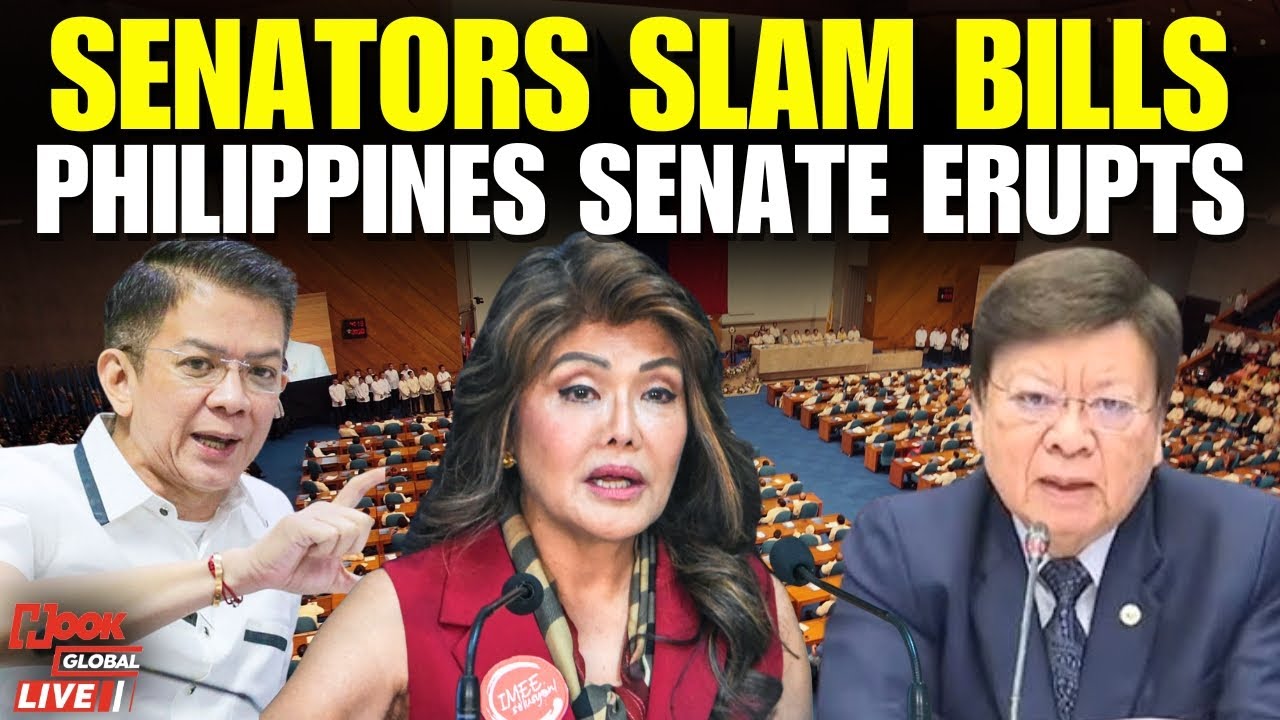
House of Representatives Faces Intense Debate Over Probe Priorities Amid Calls for Accountability
The Philippine House of Representatives has recently been engulfed in a fierce dispute following the decision to prioritize the investigation of Representative Barzaga over that of Representative Gardiola. This move has sparked significant controversy, with dissenting voices warning that political calculations may be overshadowing the quest for justice and accountability.
At the forefront of this conflict is Representative Leviste, who has openly questioned the House’s motives, asking, "Are we truly serving justice, or are we playing politics?" His remarks underscore growing apprehension about the integrity of legislative processes amid competing political interests.
The prioritization of the Barzaga probe, which centers on local governance and procedural issues, over the Gardiola investigation—suspected to involve graver allegations of power misuse—has exposed deep divisions within the chamber. Many analysts suggest that this reflects not just procedural preference but strategic agenda-setting influenced by political elites aiming to shape public perception and resource allocation.
Academic theories, particularly agenda-setting theory, shed light on this dynamic, explaining how political actors emphasize certain issues to maintain public trust while potentially sidelining more contentious concerns. Political scientists Baumgartner and Jones (1993) note that such strategic framing can significantly sway the public agenda and legislative focus.
From a practical standpoint, this emphasis on the Barzaga probe may illustrate a desire to address visibly urgent matters while forestalling exposure of systemic corruption suggested by the Gardiola investigation. A former public administrator explains that political considerations often lead to selective scrutiny, citing instances where minor offenses were prioritized over severe allegations to protect party interests.
This selective approach carries tangible risks, including the misallocation of investigative resources and a weakening of public confidence in government institutions. The sidelining of critical probes fosters an environment where accountability suffers, potentially enabling a culture of impunity among public officials.
Accountability scholar Bovens (2007) defines accountability as the obligation of individuals and institutions to justify their actions under public oversight. The diminishing priority given to the Gardiola probe exemplifies a growing accountability deficit within Philippine politics, raising serious concerns about governance and the rule of law.
Recent corruption scandals implicating high-ranking officials further illustrate the urgency of addressing these issues effectively. Despite public exposure of these cases, meaningful action remains absent, perpetuating cycles of mistrust and malfeasance.
Representative Leviste’s challenge serves as a critical reminder of the necessity for lawmakers to balance political considerations with principled oversight and transparency. As the House proceeds, the prioritization of investigations should be grounded in fairness and a commitment to the public interest rather than political expediency.
Ultimately, the pursuit of justice must transcend political maneuvering to uphold democratic ideals. Lawmakers are called upon to reaffirm their dedication to accountability, transparency, and integrity to restore and strengthen public trust in government.
Recommended For You

NBA Investigates Multiple Teams Amid Illegal Gambling Probe Including Los Angeles Lakers
Jan 24, 2026
Gabriel Mendoza

Dar Global Partners with Trump Organization on Maldives Luxury Hotel Ahead of Saudi-U.S. Summit
Jan 24, 2026
Christine Reyes
Larry Summers Resigns from OpenAI Board Amid Epstein-Related Controversy
Jan 24, 2026
Angelica Bautista

Iloilo City Mayor Intensifies Efforts to Combat Illegal Fishing and Restore Iloilo River
Jan 24, 2026
Angelica Bautista